
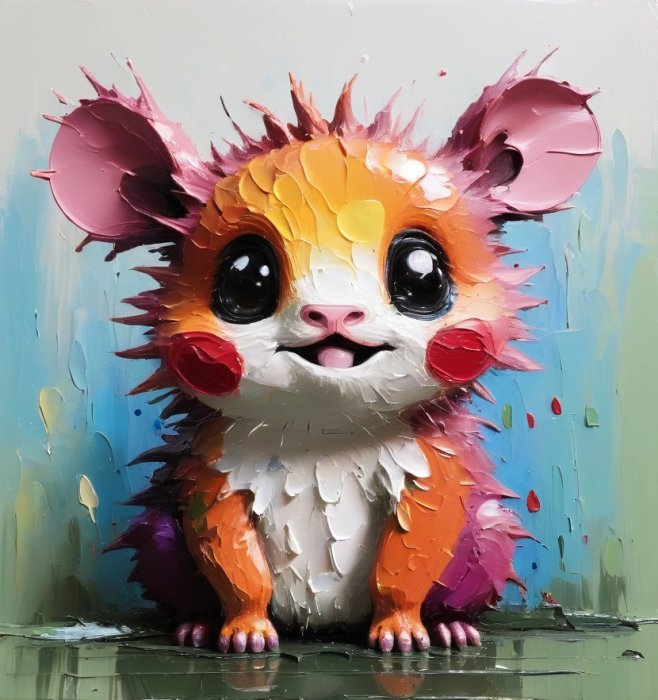
 Palette knife painting, a technique that lends a unique tactile quality and depth to artworks, breathes life and dynamism into creations. The palette knife, a spatula-like tool, enables the application of thick paint strokes, blending colors directly on both the palette and the canvas. This technique, popularized by masters like Van Gogh and the Impressionists, empowers artists to explore a myriad of textures and effects.
Choosing the Right Palette Knife
Before getting started, it's essential to familiarize yourself with the different types of palette knives available. Each shape and size offers unique characteristics. Narrow and long palette knives are suitable for creating fine lines and details, while wide and short ones are ideal for applying large amounts of paint and creating bold strokes. Depending on your style, choosing the right palette knife can significantly impact the final outcome of your artwork.
Layering and Blending
A hallmark of palette knife painting lies in its ability to create captivating layered strokes. This technique involves applying paint in successive layers, allowing each layer to partially blend with the one below, resulting in mesmerizing color transitions and intermingling directly on the canvas. To fully harness this technique, consider the consistency of your paints. Palette knife painting thrives on thick acrylics or oils, as they effortlessly glide onto the canvas in generous layers, preserving the texture of each stroke.
Experimenting with Strokes
As you embark on your palette knife painting journey, don't be afraid to dive into the realm of experimentation with various brushstrokes. This technique offers immense creative freedom, allowing you to explore a multitude of effects by applying paint in diverse ways. Try gliding the palette knife across the canvas, applying pressure to create thick, textured layers, or utilizing its edge for precise lines. Each method yields unique results. For instance, gliding motions produce smooth, even surfaces, while pressing the knife into the canvas creates impasto textures that add depth and dimension.
Color Palette and Contrast
The color palette plays a key role in creating a palette knife painting. It's essential to understand color mixing to avoid muddy tones when blending. One effective technique is using complementary colors (e.g., blue and yellow, or green and magenta), which enhance each other and create vibrant contrasts. Don't be afraid to use pure colors, as they add brightness and dynamism to the artwork.
Creating Dimension and Depth
To successfully portray depth and dimension in your palette knife paintings, the skillful interplay of dark and light shades is crucial. Dark shades serve as powerful tools for rendering deep shadows, while light shades effectively accentuate illuminated areas, creating the illusion of volume and three-dimensionality. Using white paint as a final layer can add brightness and highlight details. It's also important to consider that thick layers of paint can create natural shadows due to their texture, adding realism to the artwork.
Abstract Compositions
Palette knife painting extends beyond classical landscapes and still lifes, venturing into the realm of abstract compositions. With abstract themes, you can unleash your imagination, experimenting with forms, lines, and colors. Embrace the freedom to break free from reality, as palette knives empower you to create unique textures and shapes that traditional brushes cannot achieve.
Speed and Alla Prima
One of the advantages of palette knife painting is its speed. Due to the thick layers of paint and expressive strokes, a painting can be created significantly faster than with traditional methods. This is particularly appealing to artists who enjoy working in the "alla prima" style, where the painting is completed in one session without long drying breaks.
Drying Times
When working with palette knives, it's crucial to consider the drying times of your paints. Oil paints, known for their slow drying nature, allow for extended manipulation of details and color blending on the canvas. Acrylic paints, on the other hand, dry rapidly, which can be beneficial for quick layering but demands swift and confident strokes. Employing retarders can slow down the drying process of acrylics, providing more time for blending and refining.
Cleaning the Palette Knife
In the realm of palette knife painting, cleanliness is paramount. After each paint application, it's essential to meticulously clean your palette knife before introducing a new color. Utilize a clean cloth or paper towels to remove excess paint, preventing the unwanted blending of hues. A clean palette knife ensures crisp, defined strokes, free from unwanted color contamination.
Final Evaluation and Adjustments
The final step in completing a palette knife painting is evaluating and refining details. Step back from the canvas and view the artwork from a distance to assess the overall composition and identify areas that need additional accents or corrections. Palette knife painting allows for easy adjustments by adding new layers of paint or removing excess strokes.
Conclusion
In conclusion, palette knife painting opens up a world of possibilities for experimentation and creativity for artists. It allows for the creation of vibrant, dynamic paintings with expressive texture and depth. Don't be afraid to try new things, experiment with colors and forms, and discover the exciting world of palette knife painting.
Remember, the key to successful palette knife painting lies in experimentation and having fun! Embrace the freedom and expressiveness this technique offers, and let your creativity flow freely onto the canvas.
If you aspire to excel in palette knife painting, consider exploring academic painting courses or individual painting classes. These educational opportunities offer a valuable platform to hone your technique, gain valuable insights from experienced instructors, and solidify your newfound skills.


