
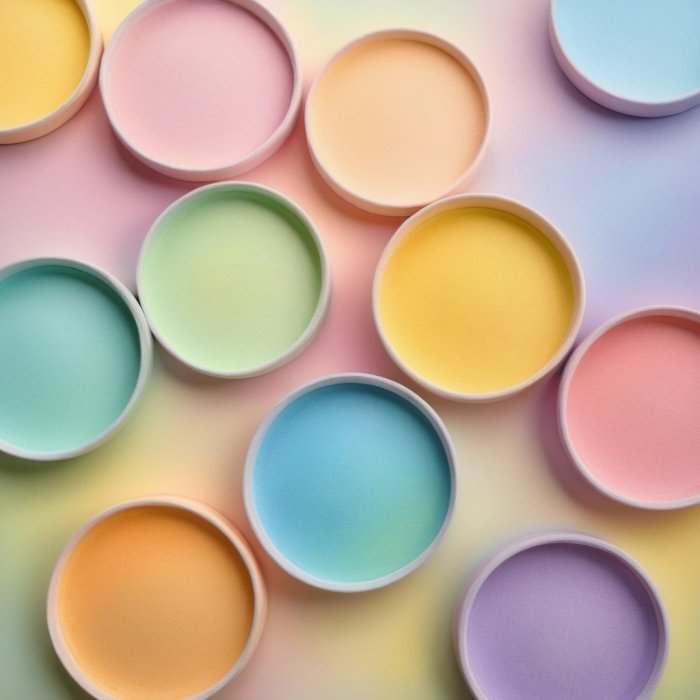
 Pastel is not just a medium; it's a technique of emotional connection and a magical portal to a boundless world of creativity. Its velvety and delicate strokes, like an artist's brush, dance across the paper, giving birth to realistic landscapes, touching portraits, and expressive abstractions.
By unlocking the secrets of pastel painting, you'll embark on an exciting journey where each step brings new knowledge, emotions, and creative paths. Perhaps it's time to discover the possibilities that pastel opens up for an artist and explore new painting techniques.
An Artist's Essential Tools
Before embarking on your creative journey, it's important to prepare your artist's arsenal.
A variety of pastels awaits us: dry, wax, and oil, each with its own character and suited to different techniques.
Paper is the canvas on which you will create. For pastel painting, dense paper with a rough texture is recommended. Too smooth paper is usually not an acceptable choice, as pastel may not adhere well to it. It is better to use special paper:
- Textured paper, which has a textured surface and a grainy structure. This allows pastel particles to adhere better, creating rich colors and interesting textural effects.
- Toned paper, often used in different colors (gray, brown, green, etc.). This color becomes the base tone for the work and creates an interesting background for the drawing.
- High-density paper – from 160 g/m² and above provides better resistance to damage and is better suited for multi-layered works.
Fixative will secure your masterpiece on paper, making it resistant to smudging. Depending on the content and style of the drawing, you will need various pastel painting tools: blenders, brushes, cotton swabs, and even your fingers. All of them can become faithful helpers in creating smooth color transitions and subtle nuances. An easel, a utility knife, tapes, and fixatives will help organize your workspace and make the drawing process easier.
A Kaleidoscope of Creative Approaches
The world of pastel is rich in a variety of techniques, each of which reveals new facets of creativity.
Hatching, similar to the clear lines of a pencil, creates the outline and detail of the image. Blending, rubbing pastel strokes, like a delicate veil, gives the drawing depth and volume, emphasizing the texture of the image. Applying several layers of pastel on top of each other allows you to achieve rich colors and detailed rendering of the image. Mixing colors on paper gives you endless possibilities for creating new shades and emotions.
The artist's experience allows them to share secrets to help beginners on their way to mastering the art of pastel painting.
Start with simple forms, without trying to create complex compositions right away. Master different ways of applying and blending pastels on simple forms and geometric shapes. Experiment! Try different colors, techniques, and tools to find your own style and approach to working with pastels. Practice is the key to mastery. The more you draw, the better you will master the techniques, feel the colors, and express your emotions on paper.
Remember, pastel painting is not just about creating an image; it's a journey into a world where your emotions, fantasies, and dreams live. Don't be afraid of mistakes, as they are just steps on the path to self-improvement. Trust your inner artist, give your creativity free rein, and start creating masterpieces that will bring beauty and emotion to both you and others.
Pastel Tips for Creative Expression
Here are a few tips to help you on your way:
- Use pastels to create light and shadow effects. The play of light and shadow is the basis of a realistic image. Learn to use pastels to create three-dimensional forms, highlighting the light areas and placing shadow accents.
- Don't be afraid to use saturated colors. Pastel offers an endless palette of colors, so experiment and use bright, saturated shades to create expressive and emotional works.
- Pay attention to detail. It is the details that make the image lively and interesting. Consider the strokes, as they can add depth and realism to your work.
- Use different techniques instead of limiting yourself to one, as pastel offers a multitude of possibilities. Try combining hatching with blending, applying pastel densely or using it lightly to create watercolor effects.
- Seek guidance when needed. Connect with fellow artists who are eager to share their insights and expertise. Embrace asking questions and requesting assistance, as these will expedite your progress in pastel painting.
Pastel gives you the opportunity to create with depth and emotion. With its help, you can not only depict reality but also convey the subtlest nuances of feelings, create an atmosphere, and fill your works with the most important thing: your sincerity and emotions. Draw what excites you, depict what you feel. Let your pastel become the brush of your soul, and your works – a reflection of your inner world.
For personalized instruction and in-depth skill development, enroll in private pastel painting classes.


